


EN

Sustainability

Economic Efficiency
Comwin Fine Chemicals upholds commitments to environmental protection and the economic, social needs of society and our employees. Our Code of Conduct (COC) serves as the cornerstone of our corporate social and environmental (CSE) responsibility.
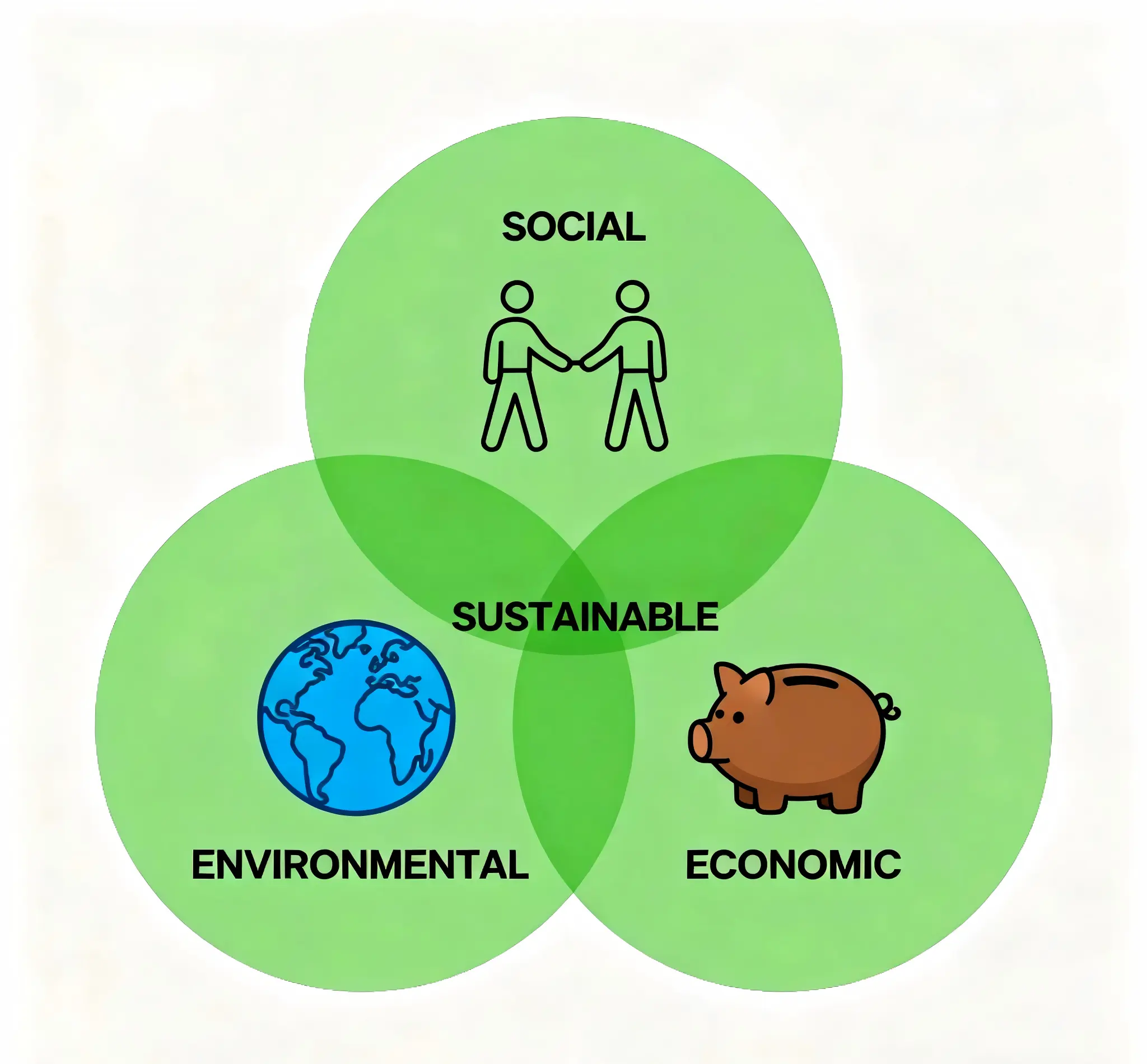
Corporate Social Responsibility (CSR) is therefore an integral part of our corporate culture and daily operations, anchored in three core pillars:
- Profitability: Driving actions that safeguard the company’s sustainability and fuel its long-term growth
- Social Accountability: Upholding responsibilities to employees, business partners and the broader society;
- Environmental Stewardship: Prioritizing energy efficiency and responsible resource utilization to promote the prudent use of natural resources.

Economic Sustainability
Align long-term profitability with sustainable practices to drive resilient growth.
Align long-term profitability with sustainability to foster resilient, enduring growth. This alignment is critical: it strengthens financial resilience, enhances adaptability to evolving market and regulatory demands, and underpins sustained competitive advantage.
Key pillars for advancing economic sustainability:
- Optimize resource efficiency across all operations to cut redundant costs, minimize waste, boost operational profitability, and reduce environmental impact.
- Strategically invest in green technologies and circular business models to leverage emerging opportunities from global sustainability trends, keeping the company at the forefront of innovation and market relevance.
All employees are encouraged to actively contribute to these pillars within their roles, integrating sustainability into daily operations and decision-making to collectively achieve the overarching goal.
Social Responsibility
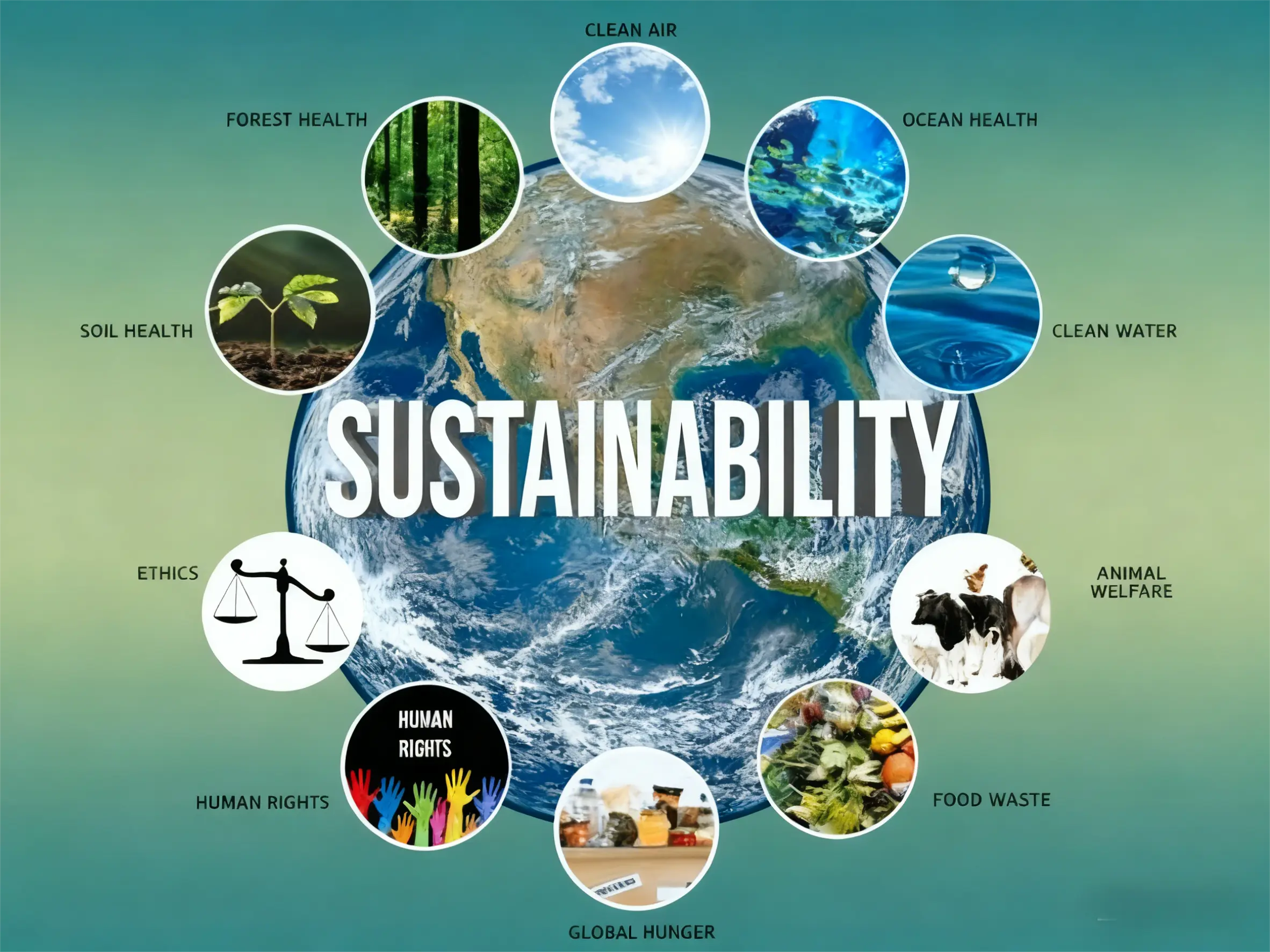
Uphold universal human rights across global supply chains and operations.
Enforce zero-tolerance for child labor, forced labor, and discrimination. Ensure fair trade practices and equitable terms with suppliers. Comply with international conventions (e.g., UN Guiding Principles on Business and Human Rights).
Foster ethical behavior and accountability among all personnel.
Implement a clear code of conduct prohibiting corruption, bribery, and conflicts of interest. Provide regular ethics training and anonymous reporting channels.
Drive a sustainability-centric culture through visible commitment.
Integrate ESG goals into executive decision-making and performance metrics. Promote transparency via regular stakeholder communication on progress.
Prioritize prevention and protection to ensure a hazard-free environment.
Enforce rigorous safety protocols, regular risk assessments, and mandatory training. Provide health monitoring and support for employee well-being.
Corporate Sustainability & Responsible Operations

-
Responsible Care
-
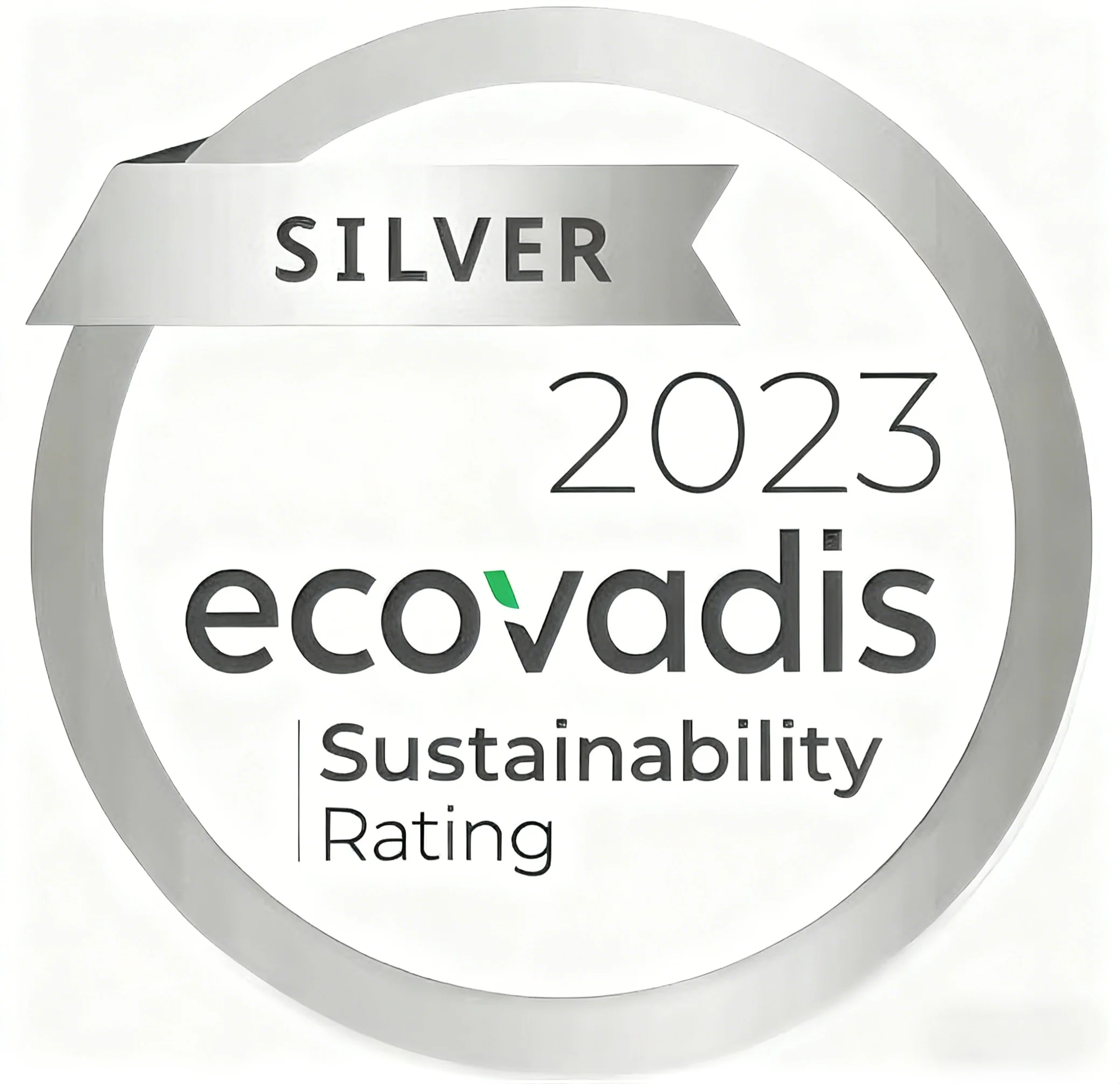
CSR Commitments Awarded EcoVadis Recognition
-
Environmental Stewardship

-
Sustainable Supply Chain Practices

-
Responsible Operations & Performance