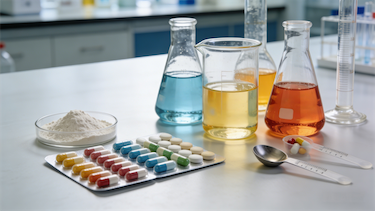


A U.S. 100% tariff hike will exert multi-dimensional impacts on Chinese exporters of pharmaceutical intermediates, APIs, veterinary drugs, excipients, dietary supplements, and nutraceuticals, with variations across product categories due to policy exemptions and supply chain dynamics.
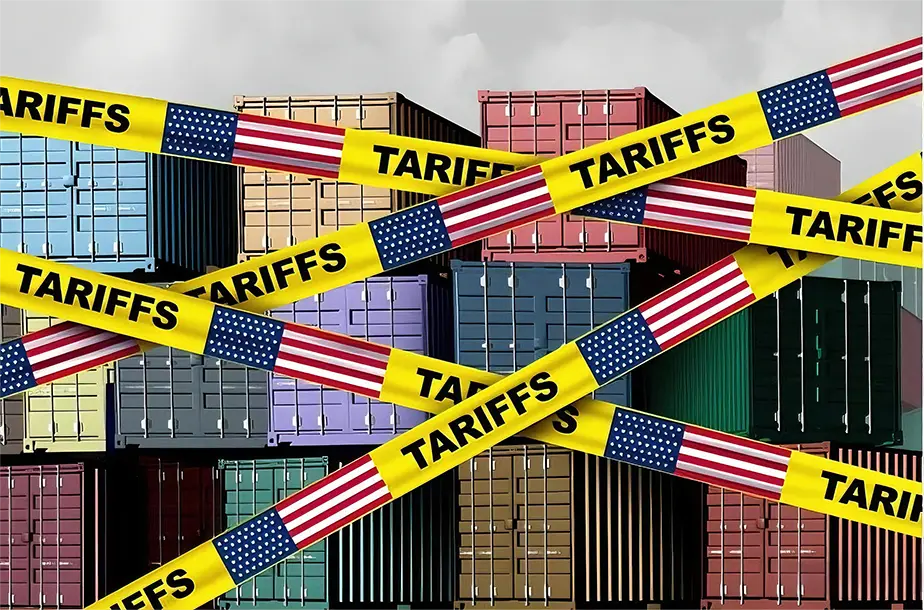
Immediate Cost & Profit Pressures
The tariff will double import costs for affected products, squeezing margins. Non-exempt pharmaceutical intermediates and APIs will lose China’s 20-30% cost advantage; veterinary drugs and excipients (not covered by U.S. exemptions) face similar cost pressures. For non-essential dietary supplements and nutraceuticals, U.S. buyers will resist price hikes, forcing exporters to absorb costs or surrender market share.
Supply Chain Disruptions
Complete U.S.-China decoupling remains unfeasible, as the U.S. relies on China for 30% of its APIs (and India, a supposed alternative, depends on China for 70% of its APIs). Short-term, U.S. buyers may stockpile pre-tariff; long-term, they will push for supply chain diversification. Firms focused solely on the U.S. market (which takes 17.6% of China’s pharmaceutical exports) face greater order volatility.
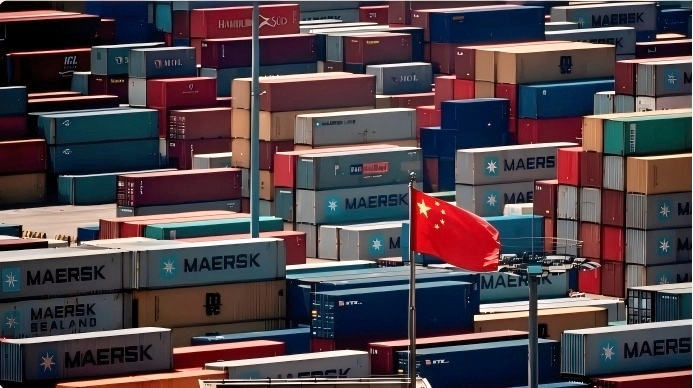
Mitigation Opportunities
Policy exemptions shield key APIs (e.g., vitamins, amino acids). Affected firms can diversify into markets like the EU (25% of China’s API exports) and ASEAN (18%), or use overseas bases to bypass tariffs. Collaborating with U.S. partners (e.g., cost-sharing agreements) also helps mitigate risks.
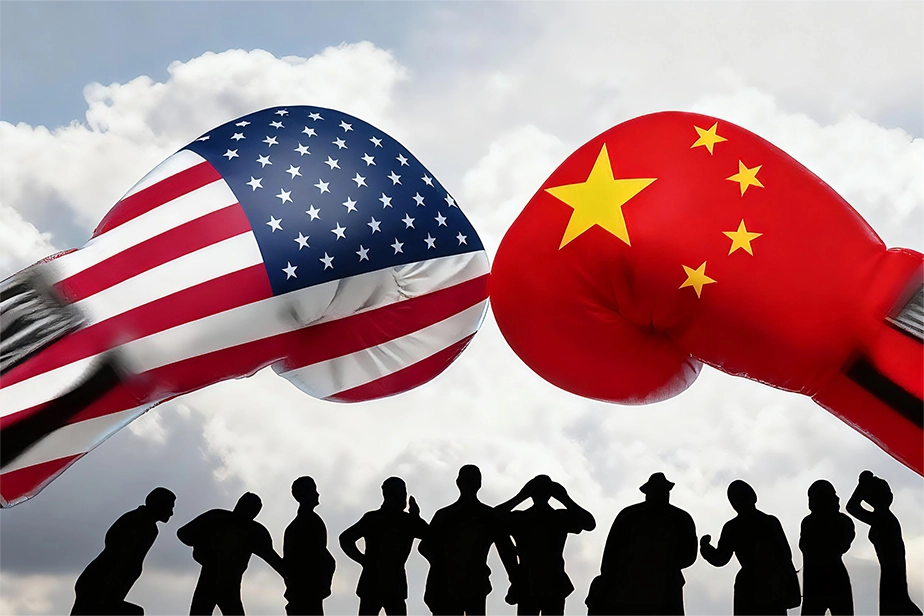
In summary, non-exempt intermediates, veterinary drugs, and supplements will bear the brunt, while exempt APIs gain an edge. Firms combining exemption leverage, market diversification, and supply chain flexibility will navigate disruptions most effectively.